
PROJECTS
Restoring Nature, Reviving Lives.

Delhi Hydro-basin Watershed Project
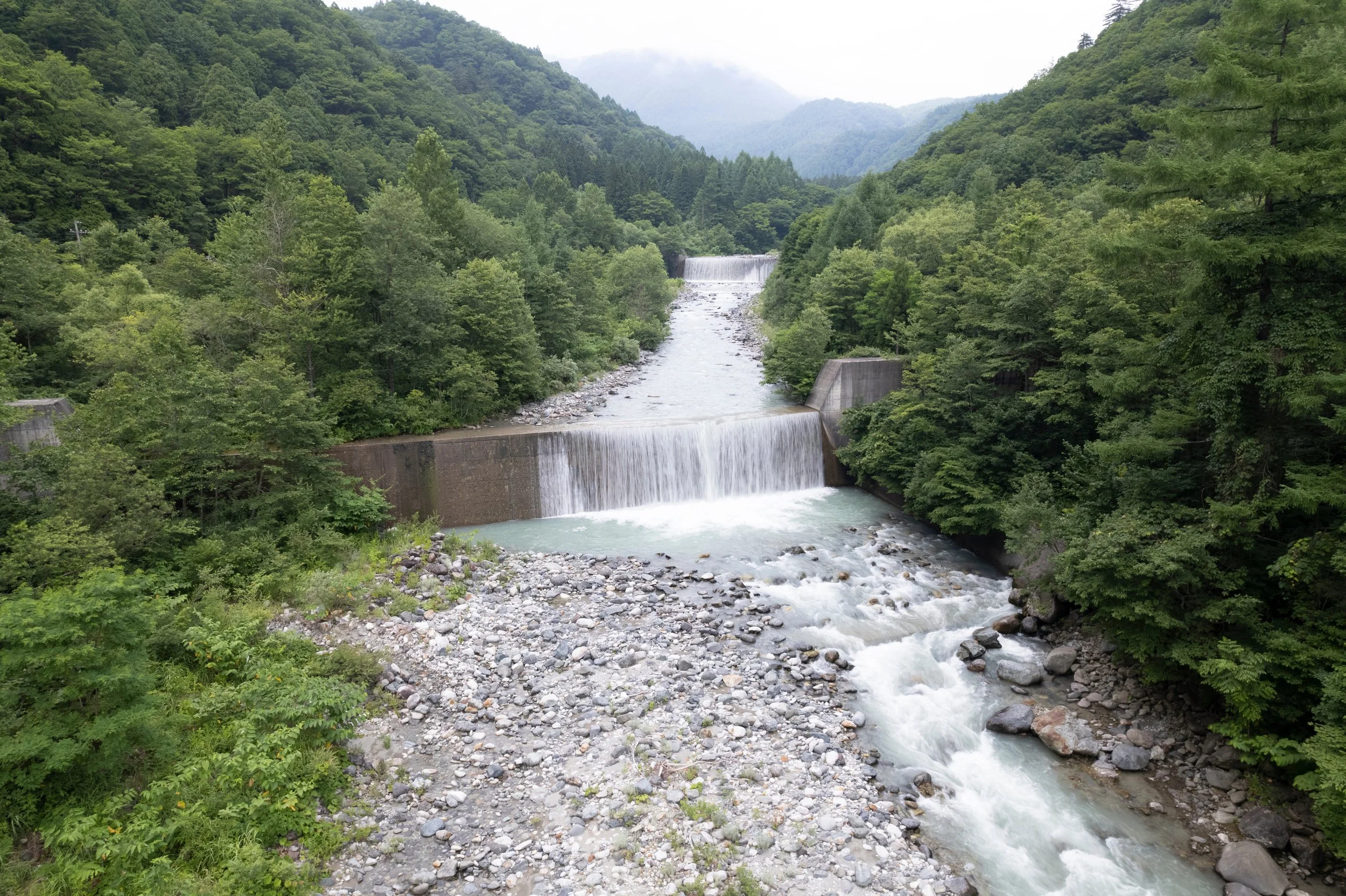
SIV Impact’s watershed project, Samriddh Jal, Samarth Bharat, is working to restore water security across 70 villages in the Greater Delhi Region. Currently under development in partnership with SPECTRA and a Fortune 50 brand, the initiative will recharge 55 million gallons of water annually, improve groundwater levels by 15%, and increase farmer incomes by up to 20%, benefiting 200,000 people. Using check dams, ponds, and rainwater harvesting, the project builds climate resilience, supports agriculture, and empowers communities to lead local water governance.
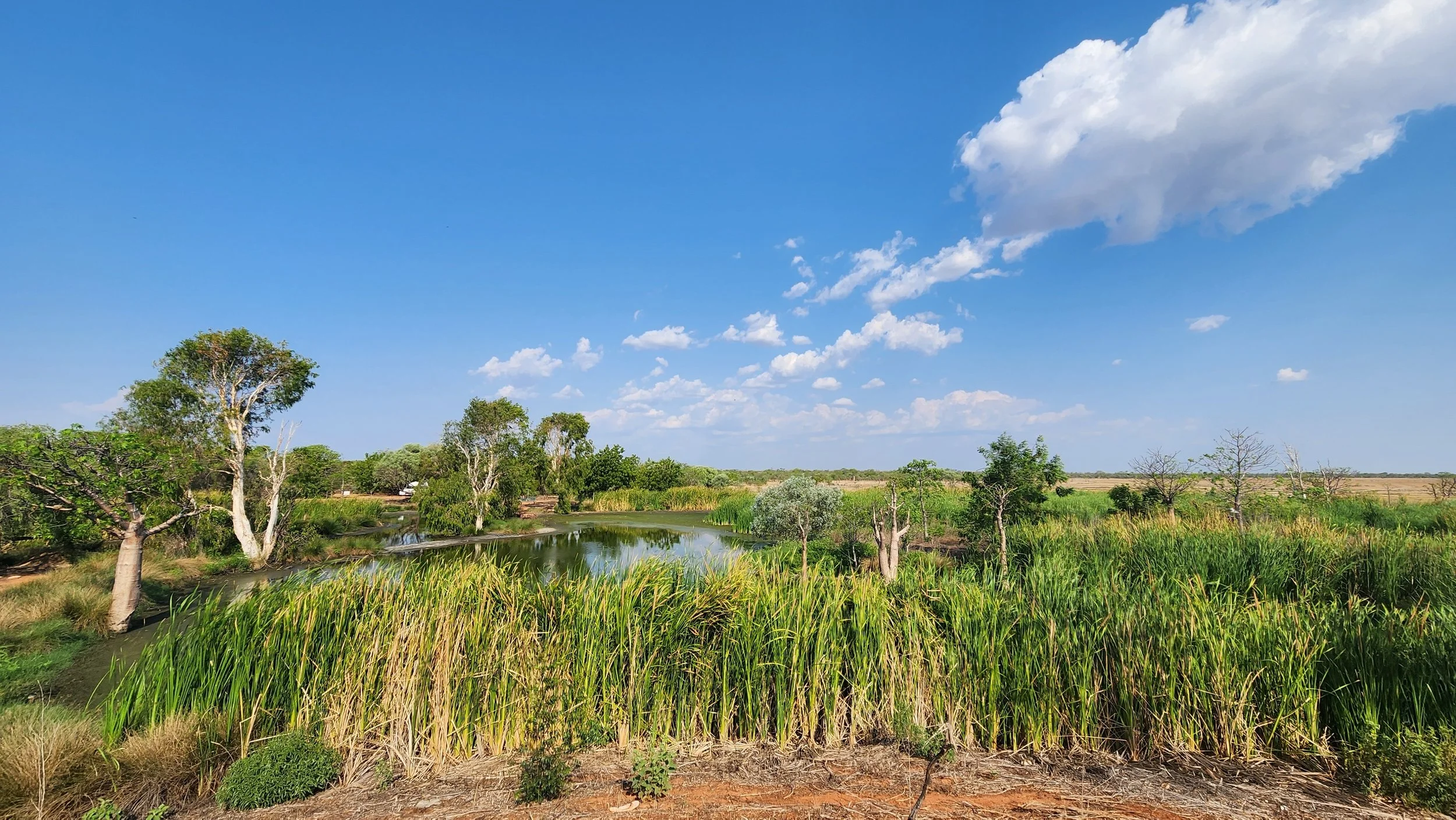
We are implementing nature-based sewage treatment systems in 15 Chennai schools to tackle pollution, water scarcity, and sanitation challenges. Using rainwater harvesting, constructed wetlands, and bio-septic technology, the project will reclaim 50 million gallons of water annually, benefiting over 90,000 people. Beyond water savings, the initiative improves hygiene, educates over 20,000 students on sustainability, restores biodiversity, and sequesters 15 tons of CO₂ annually.
Nature Based Sewage Treatment - Chennai Project

Chennai Modular Sewage Treatment Plant
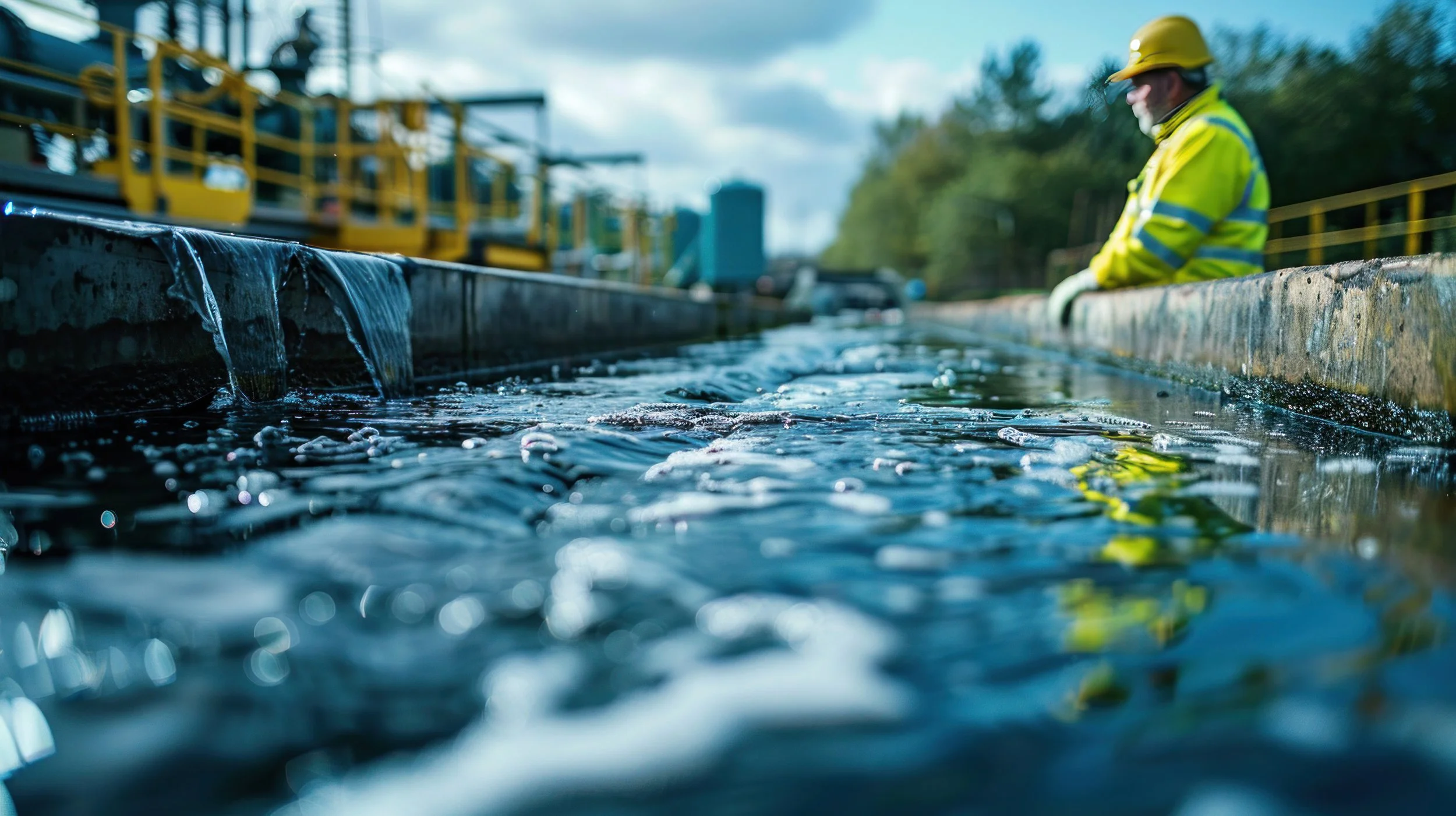
A modular sewage treatment project in Chennai to address severe water scarcity and pollution. Using advanced, cost-effective technology, the plant will treat wastewater before it reaches the Adyar River, reclaiming 60 million gallons annually for river restoration, groundwater recharge, green space irrigation, and public sanitation.
The project will benefit over 150,000 people, improve public health, support biodiversity, and reduce CO₂ emissions.
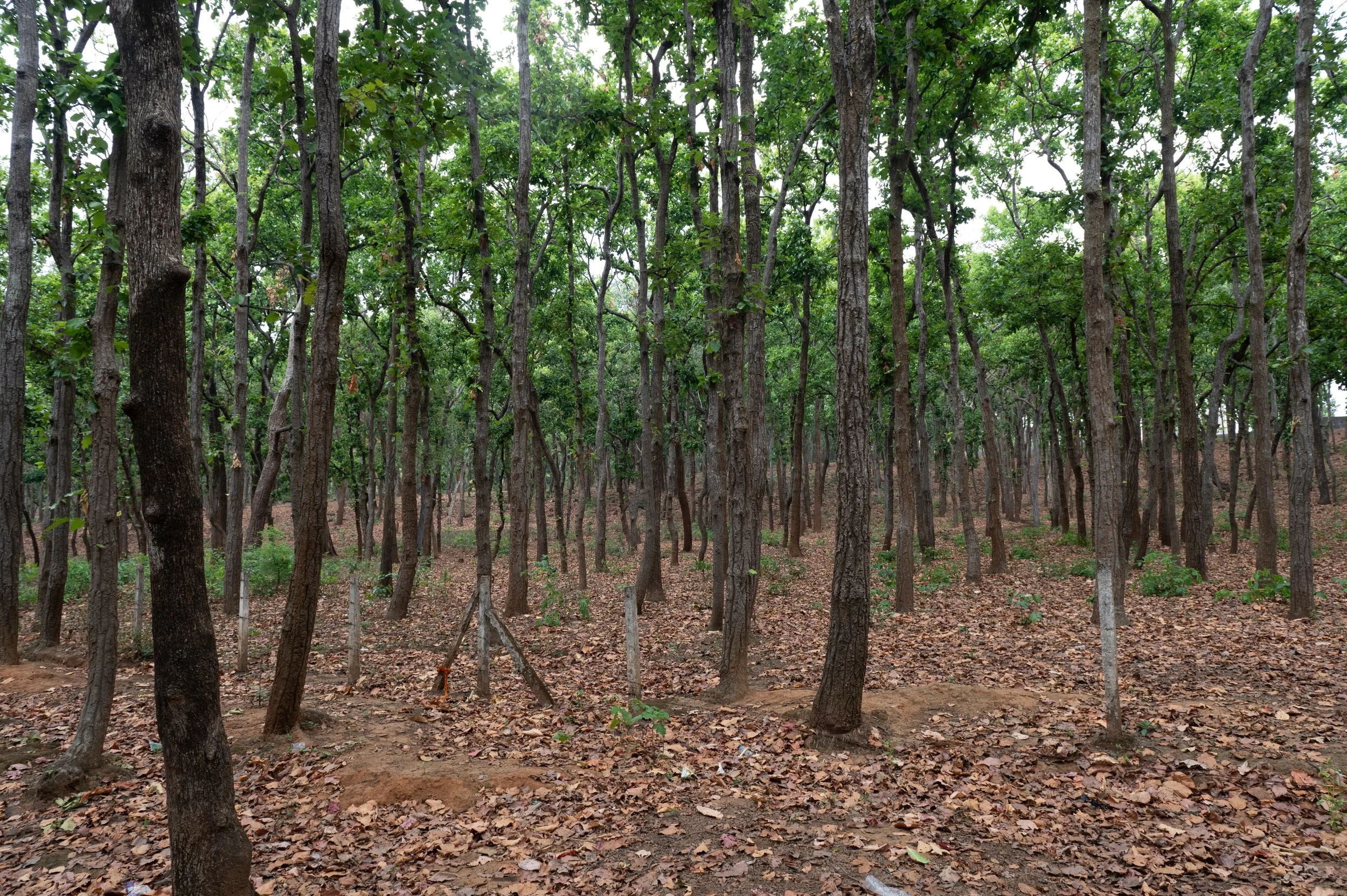
We are restoring green cover in Tamil Nadu by creating dense, native forests using the Miyawaki method.
These fast-growing forests enhance biodiversity, sequester carbon, cool urban areas by up to 3°C, and improve air and water quality.
By reintroducing native plant species, they attract pollinators, birds, and small mammals, promoting local biodiversity and healthier ecosystems.
In a state facing rising heat and groundwater stress, our afforestation efforts offer a powerful, nature-based solution for climate resilience, groundwater recharge, and community well-being, while providing shaded spaces that improve livability and strengthen the connection between people and nature.
Tamil Nadu Afforestation
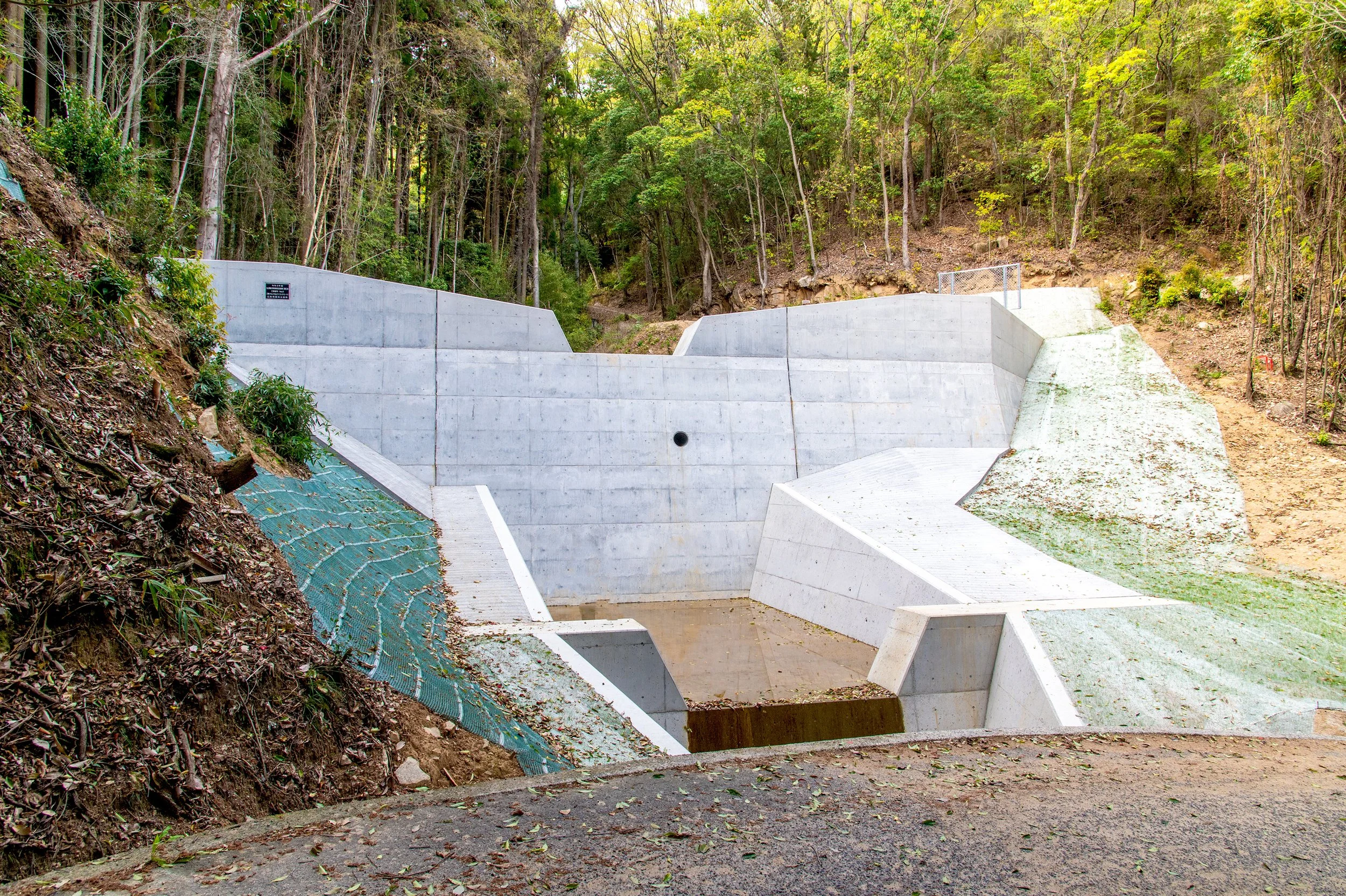
Tamil Nadu Watershed Development Project
SIV Impact’s watershed project, Samriddh Jal, Samarth Bharat, is restoring water security across 4 villages in the state of Tamil Nadu.
The project funded by Fortune 50 brand as an insetting water replenishment program. In partnership with Hand in Hand, local NGO, the initiative will recharge 30 million gallons annually, improve groundwater by 15%, and boost agricultural yields, providing water access for livestock and benefiting 60,000 people in high water-stressed communities.
Through check dams, ponds, and rainwater harvesting, it builds climate resilience, supports agriculture, and empowers community-led water governance.
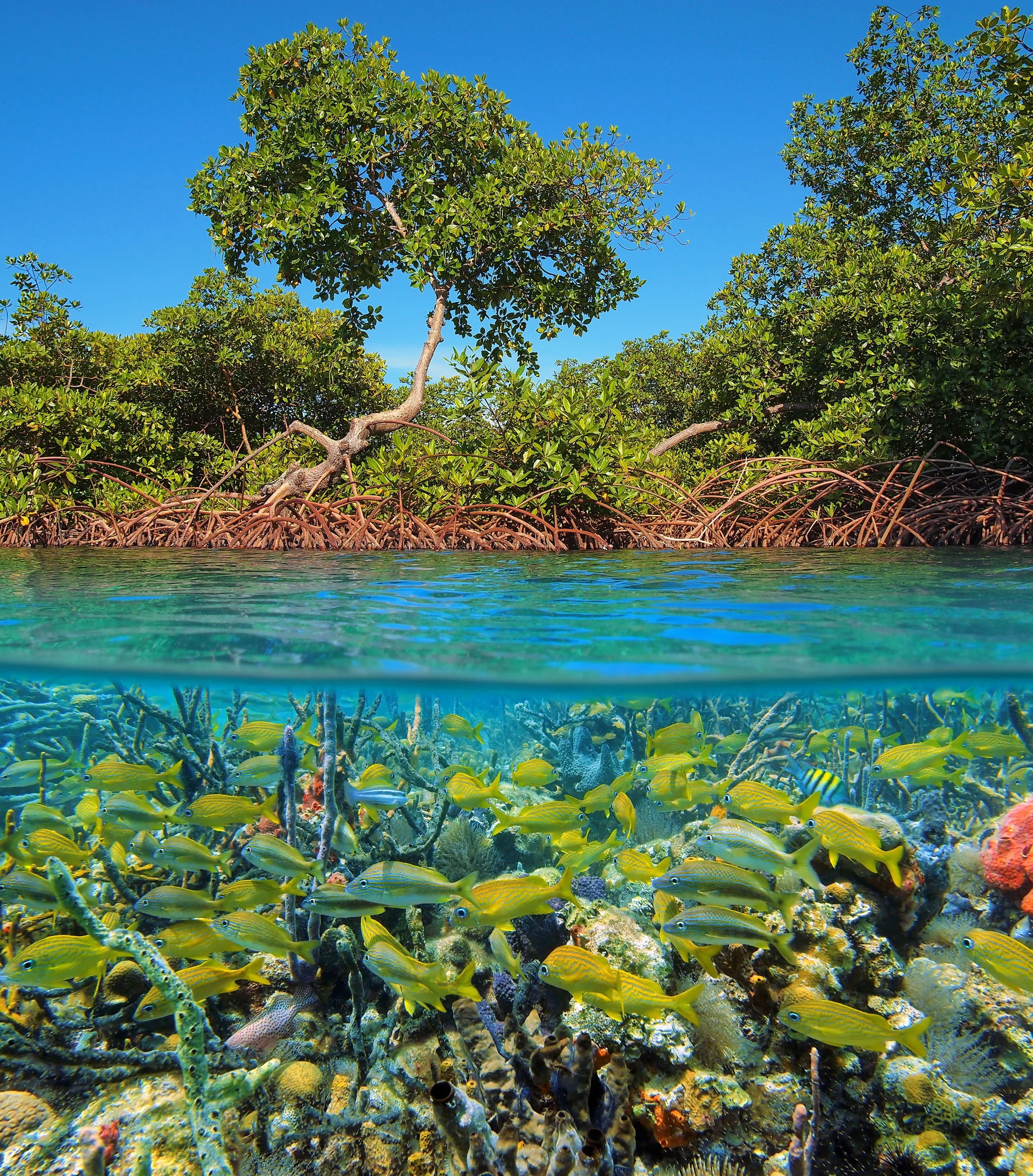
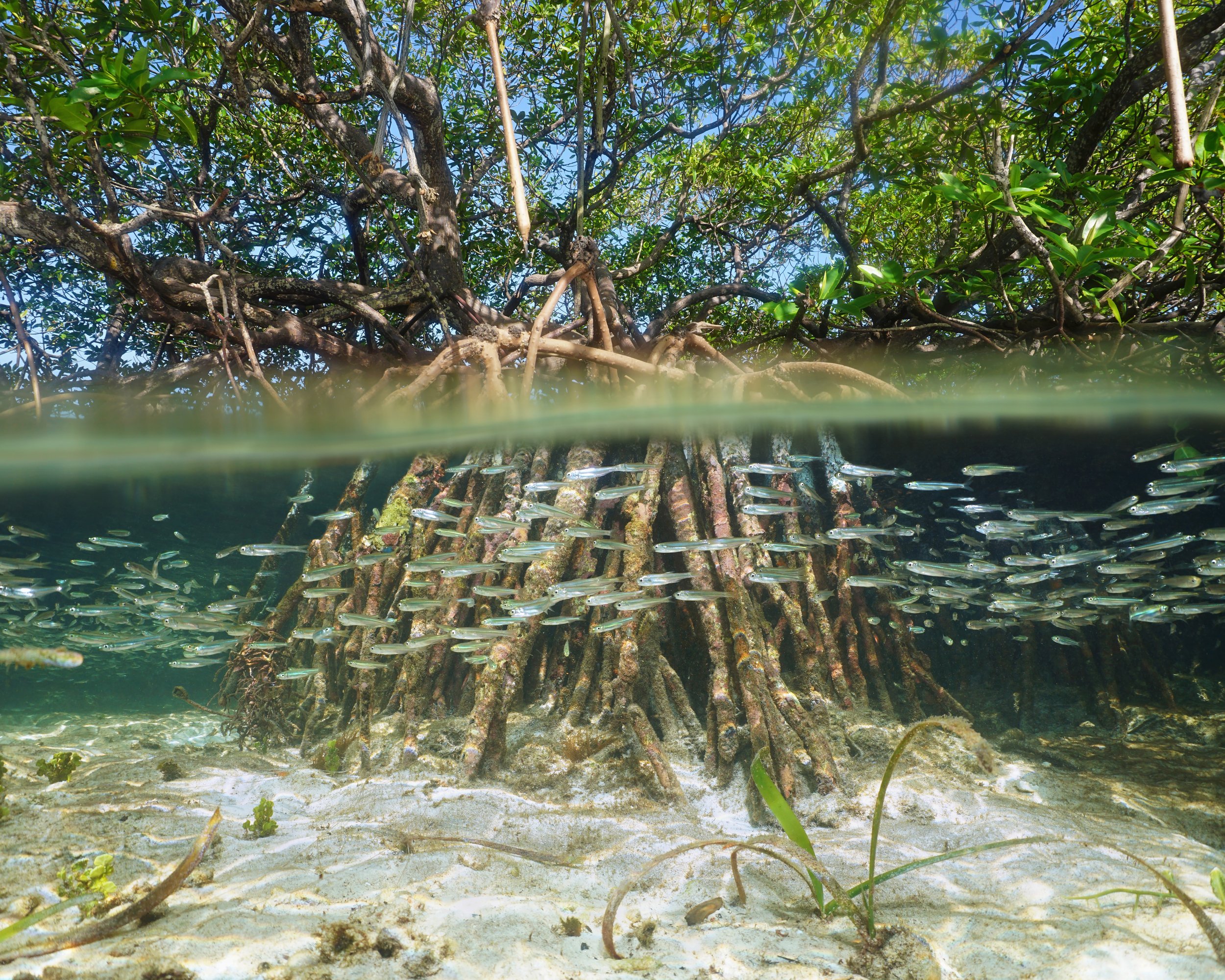
Nīrvanam (Tamil for Water Forest) is a community-led ecological restoration initiative by SIV Impact Inc., developed in partnership with the Government of Tamil Nadu. The project focuses on restoring 50 acres of degraded coastal backwaters that were once home to thriving mangroves, migratory birds, and diverse aquatic life.
Decades of industrial encroachment, pollution, and the spread of invasive species like Prosopis juliflora have stripped this landscape of its natural resilience. The project addresses these challenges through a three-part approach:
Eradicating invasive species and converting cleared biomass into biochar to lock carbon and regenerate soil health.
Reforesting with 50,000 native mangroves and 20,000 palmyra palms, rebuilding natural flood buffers and stabilizing coastal soils.
Engaging local communities, including members of the Irula tribal community, to create green jobs and foster long-term stewardship.
By restoring habitat complexity and reintroducing native vegetation, Nīrvanam aims to revive migratory and resident bird populations — including the iconic flamingos that once painted this landscape pink — while enhancing biodiversity, sequestering carbon, and building climate resilience.
