Neer Ezhil Palli brings wastewater treatment, garden reuse and rainwater harvesting to government schools. Designed and implemented by SIV Impact in partnership with Microsoft and the School Education Department, Government of Tamil Nadu.
DELIVERY UPDATE
Phase 1 complete. Phase 2 underway.
Reported
Phase 1 is complete across five government schools in Egmore, Porur, Villivakkam, Ashok Nagar and Ambattur, serving approximately 6,000 students and staff. Work is now underway on Phase 2 across ten additional schools.
5 schools
Phase 1 completed
10 schools
Phase 2 in progress
Completion figures describe project delivery. Annual water benefits will be established through operating records and water-quality monitoring.
HOW IT WORKS
How five Chennai girls’ schools turn wastewater into a resource.
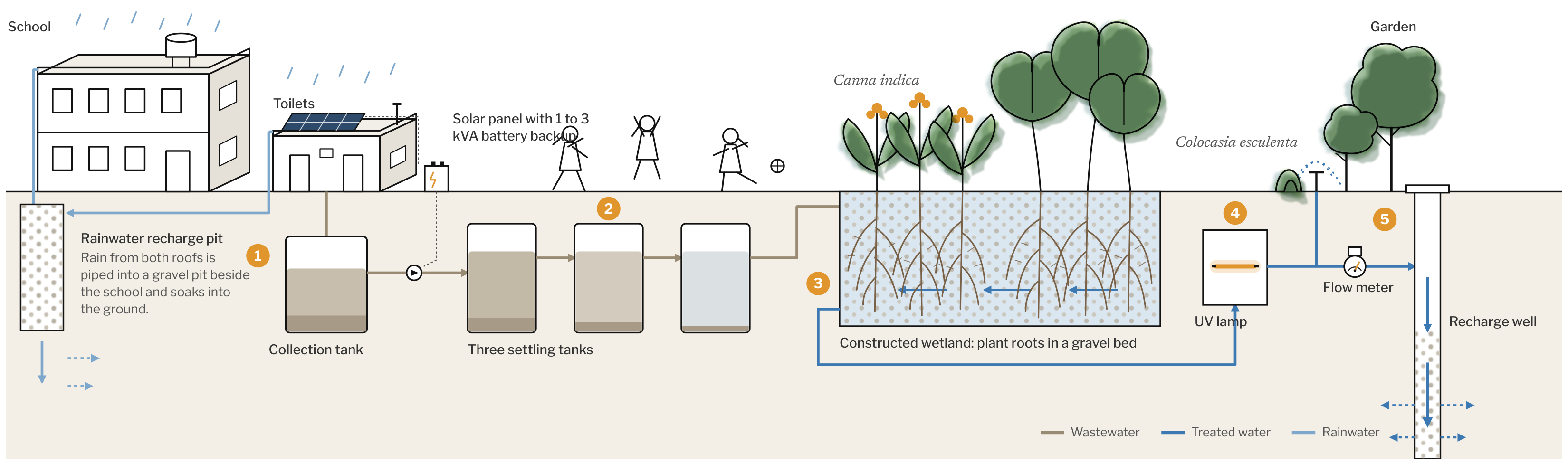
Underground treatment, a planted gravel bed and UV disinfection connect school wastewater with garden reuse and groundwater recharge. Rooftop rainwater follows a separate route into recharge structures.
Swipe across the graphic to follow the water’s journey.
Collect
Toilet wastewater enters underground collection tanks, where heavier solids begin to settle.
Treat
Anaerobic treatment breaks down organic matter as water moves through a series of tanks.
Pass through the wetland
Gravel, plant roots and their associated microorganisms provide further treatment.
Disinfect
UV treatment is followed by water-quality checks appropriate to the intended reuse.
Reuse and measure
Outlet meters record treated volumes, with water directed to gardens and recharge structures.
The system is designed for non-drinking reuse and recharge. Water-quality monitoring and operating controls determine suitability for each use.
WHY THIS PROJECT IS TRANSFORMATIVE
Reusing water. Supporting girls’ education.
Neer Ezhil Palli connects water infrastructure with the everyday needs of a school. Its value lies in turning wastewater into a useful resource while creating better conditions for health, dignity and learning.
01 · WATER REUSE
A resource stays on campus.
Treating wastewater where it is produced creates a supply for school gardens and suitable recharge. Reuse can reduce demand for purchased freshwater for those purposes, while rooftop rainwater harvesting supports local water resilience.
02 · SCHOOL ENVIRONMENT
Less untreated wastewater leaving school.
Collecting and treating sewage aims to reduce pollution pressure on drains, waterways and groundwater. The planted treatment beds also bring green space into the campus, linking practical sanitation infrastructure with a more welcoming school environment.
03 · GIRLS’ ATTENDANCE & DIGNITY
Better conditions for staying in school.
Reliable water and sanitation help create conditions in which girls can attend school comfortably and with dignity. This project contributes through wastewater management and water reuse. Alongside private, usable toilets and menstrual hygiene support, a cleaner and more dependable school environment can help address barriers to participation.
Improved attendance is an intended benefit to assess with the schools, rather than a result already demonstrated by this project.
04 · LEARNING & EXPANSION
A living lesson in water stewardship.
Students can see how plants, treatment systems and careful water use work together. With five schools completed and ten more underway, the program is extending a practical model of school-based water reuse across Chennai.
To demonstrate wider outcomes, school attendance baselines and follow-up data need to be considered alongside water-quality results, system reliability and other reasons for absence. Phase completion and estimated water benefits are reported separately.
School sites and photographs from the October 2026 project report. Some photographs show construction stages; Phase 1 is now complete at all five schools.
Porur
Government Girls Higher Secondary (Green) School
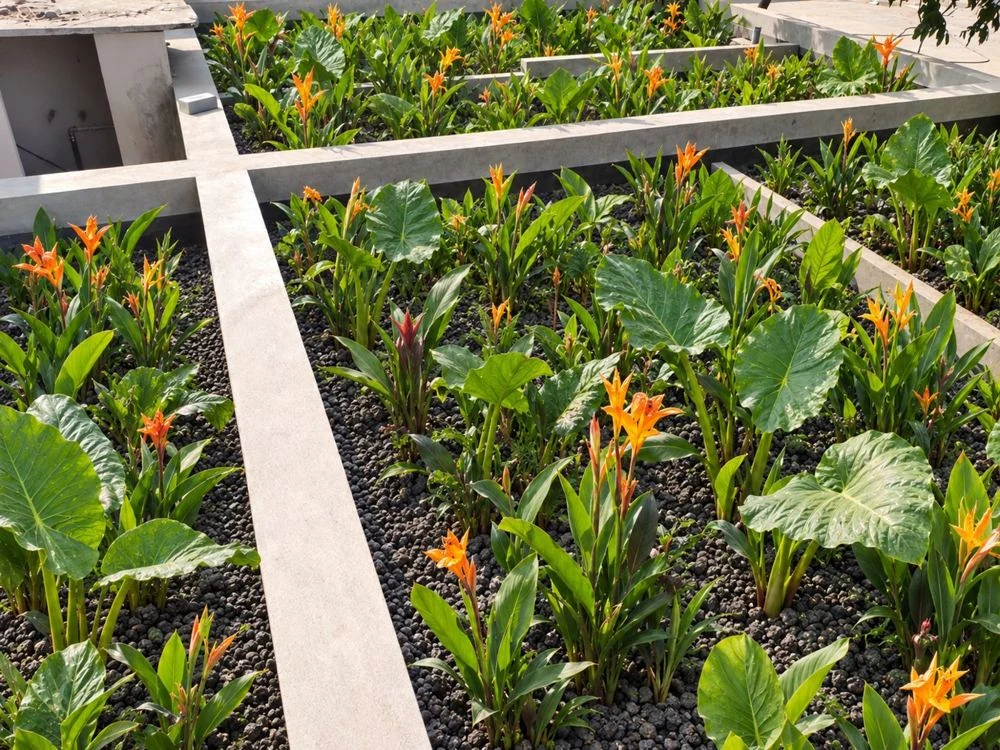
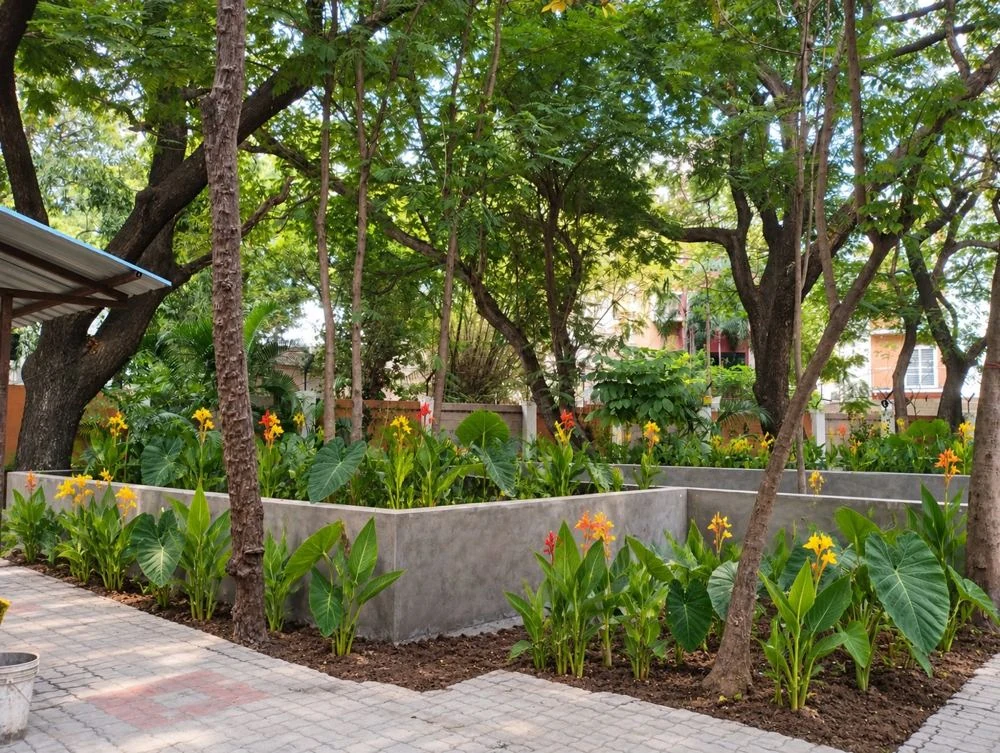
Planted wetland
Phase 1 completed
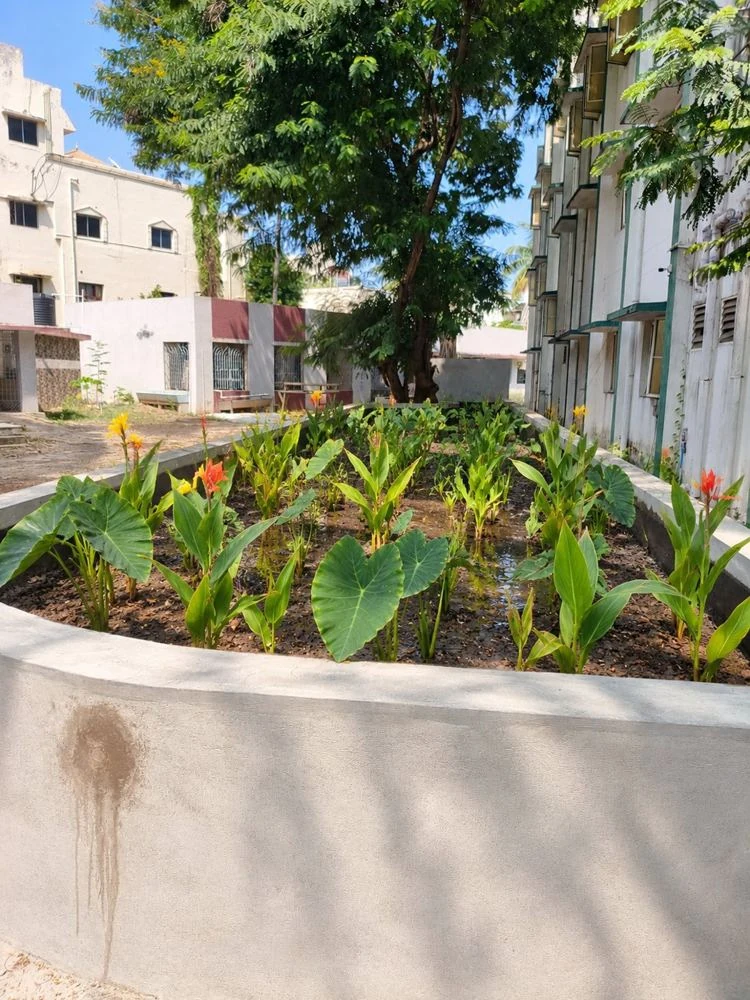
Villivakkam
Government Girls Higher Secondary School
Planted wetland
Phase 1 completed
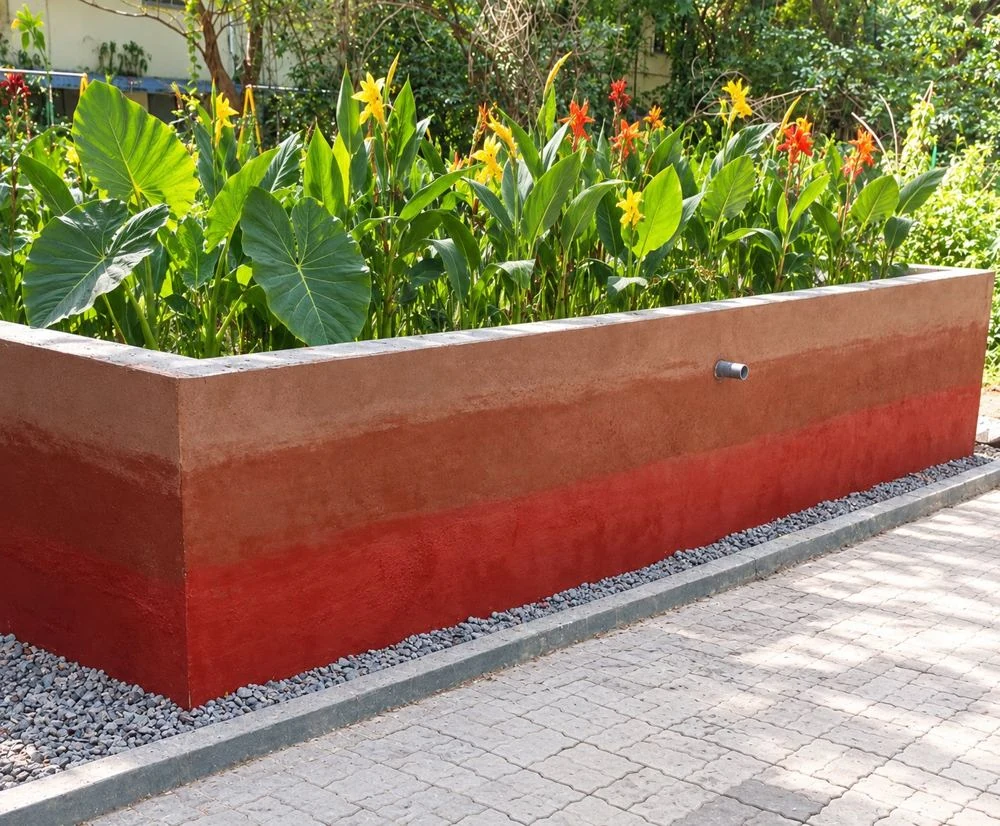
Egmore
Presidency Government Girls Higher Secondary Model School
Wetland and finished wall
Phase 1 completed
Ashok Nagar
Government Girls Higher Secondary School
Planted wetland
Phase 1 completed
Ambattur
Kamarajar Government Higher Secondary School
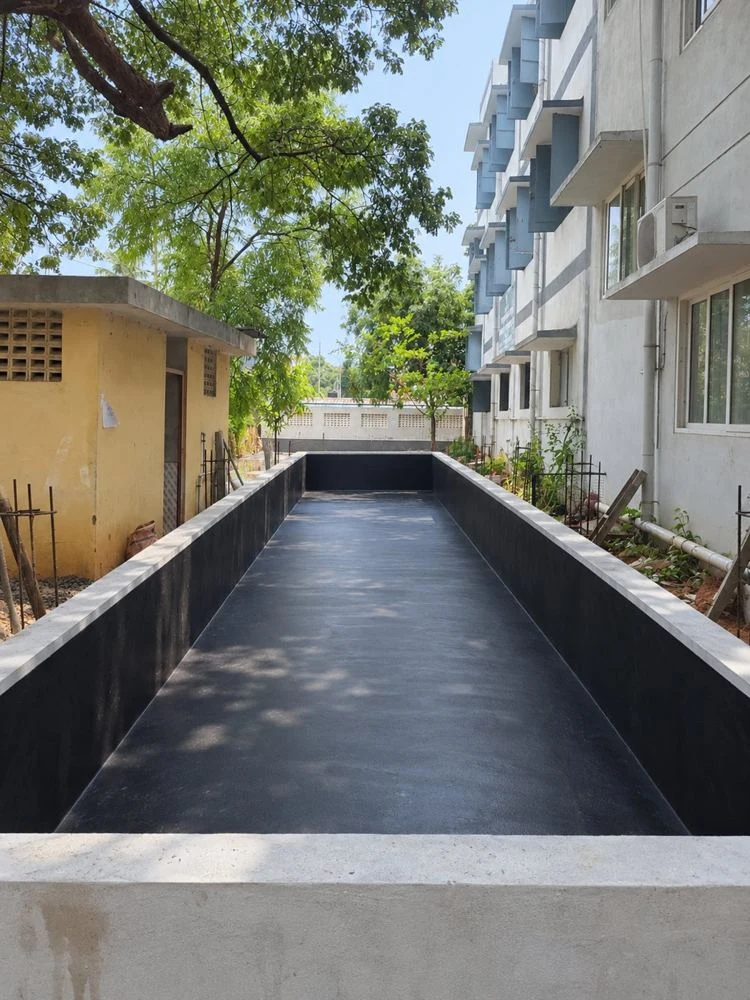
Wetland basin during construction
Phase 1 completed
THE CHALLENGE
The need behind the project.
School wastewater can place pressure on drains, nearby waterways and groundwater, while campuses need reliable water for gardens and sanitation. Neer Ezhil Palli addresses these needs on site, within the space, access and operating constraints of each government school.
THE APPROACH
How the project responds.
Wastewater is collected in underground tanks and passes through anaerobic treatment before entering a gravel-bed constructed wetland planted with Canna indica and Colocasia esculenta. UV disinfection follows treatment. Reclaimed water is directed to school gardens and recharge structures, with quality checks matched to the intended use. Rooftop rainwater is collected separately for groundwater recharge. The design includes solar power and battery backup for the pump and UV system.
SIV’S ROLE
What we bring to delivery.
SIV Impact designed and implemented the school water systems, coordinating site assessments, technical delivery and work with school teams and public agencies. Phase 1 required solutions for different campus conditions, including restricted equipment access and high groundwater levels. We are now carrying that delivery experience into the ten-school second phase, alongside arrangements for maintenance and performance monitoring.
INTENDED VALUE
What the work aims to change.
Neer Ezhil Palli connects water reuse with a better school environment: less untreated wastewater, water for green spaces and a visible lesson in resource stewardship. For girls, dependable water and sanitation are part of the conditions that support dignity and participation in education. Improvements in attendance and health are intended benefits to be assessed with the schools.
PROJECT PARTNERS
Clear roles. Shared delivery.
The project is delivered in partnership with Microsoft and the School Education Department, Government of Tamil Nadu. SIV Impact leads project design and implementation, working with the participating schools to coordinate access, delivery and the transition to ongoing operation.
PHASE 1 REACH & DESIGN ESTIMATES
Five school systems. A basis for measuring impact.
Approximately 6,000
Students and staff served across Phase 1
25,000 litres/day
Wastewater treatment design basis per school
Approximately 51 million litres/year
Projected Phase 1 water benefit from treatment and rainwater capture
How performance will be assessed
Outlet flow meters record treated-water volumes. Water-quality tests, rainwater records and evidence of reuse or recharge will establish actual benefits. The October report’s approximately 51 million litres per year is a pre-commissioning estimate across the five Phase 1 schools, combining wastewater treatment, an allowance for peak loads and rooftop rainwater capture. Completion of Phase 1 does not convert that estimate into a measured outcome.
The population figure describes the Phase 1 school communities. Treatment and annual water figures are design estimates from the October report, not measured annual results or Phase 2 totals.