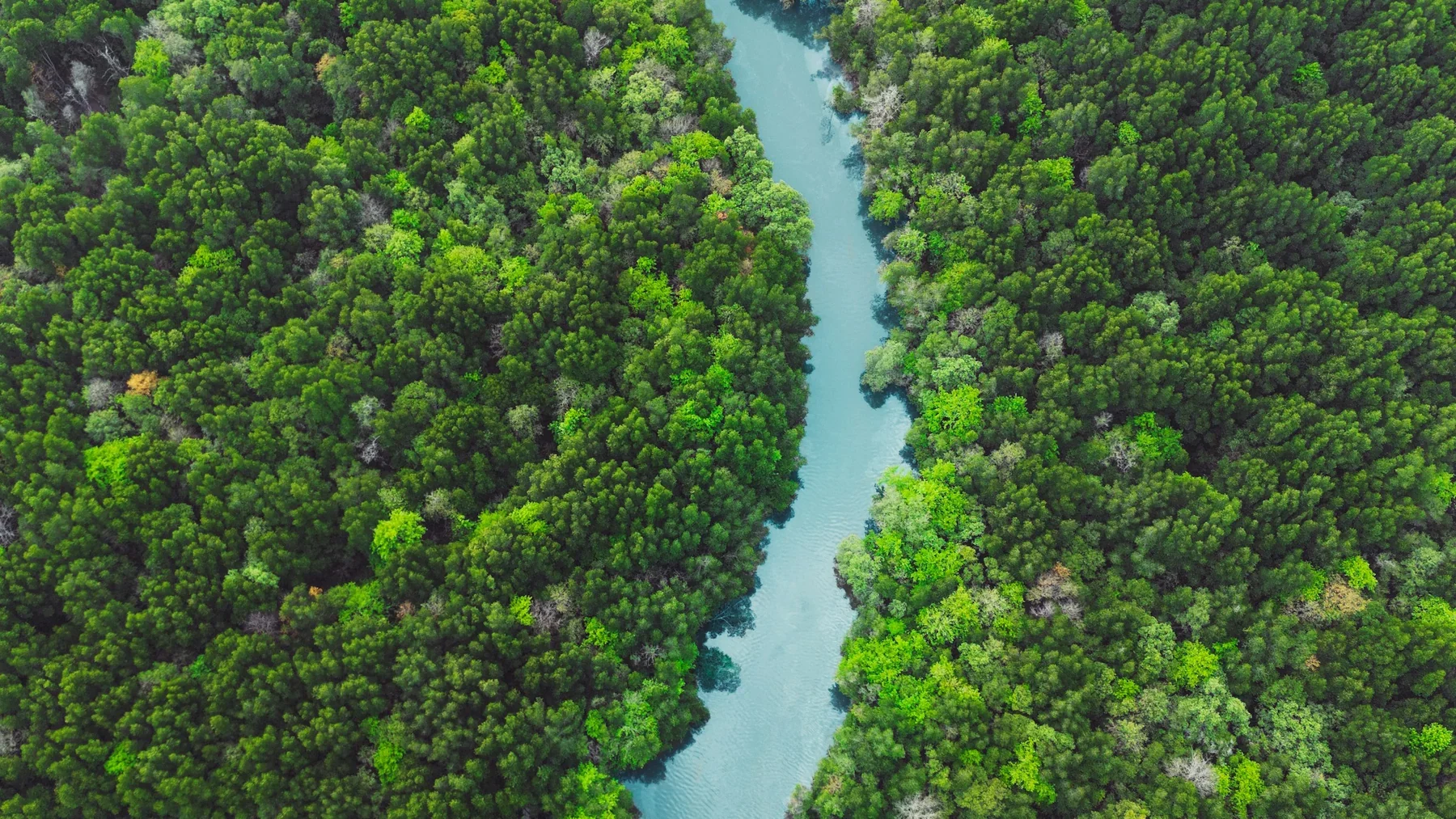
Funded by Nike Inc. and designed and implemented by SIV Impact. This completed watershed project combines three check dams with channel restoration to support groundwater recharge and farming communities in Madipakkam.
DELIVERY UPDATE
Three check dams. A restored watercourse.
Reported
Conserving Blue to Sustain Green was delivered between May 2024 and June 2025. The completed works include three masonry check dams, 600 metres of channel clearing and restoration, and removal of 3,600 cubic metres of accumulated silt.
3
Masonry check dams completed
600 metres
Channel cleared and restored
These are completed construction outputs. The 30 MGY annual replenishment target is separate from delivered infrastructure and one-time storage capacity.
REPORTED PROJECT REACH
Built around local water needs.
175 households
Within the reported watershed project footprint
230 acres
Farmland within the project’s coverage
65 wells
Included in the reported coverage
MADIPAKKAM, TIRUVANNAMALAI DISTRICT
A farming landscape. A shared water resource.
The project is in Madipakkam Village, Thathanur Panchayat, Anakkavur Block, Tamil Nadu. The completion report describes farmers experiencing more dependable irrigation and bringing more land into cultivation.
Community meetings reviewed completed works, operating issues and upkeep needs. Keeping the channel clear and the check dams maintained is central to sustaining the benefit.
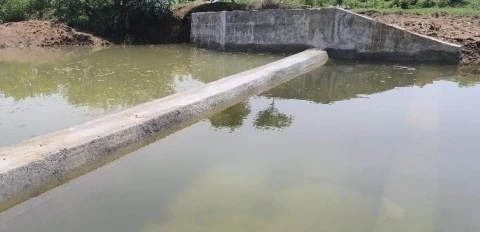
Check dam on the restored channel. Photograph from the completion report.
Households, farmland and wells describe the project’s reported reach. Farmer feedback is qualitative; changes in farm income, crop yield and household water access have not been quantified here.
COMMUNITY IMPACT · RESEARCH CONTEXT
What better water availability can mean for a community.
Research from Indian watershed programs points to three important benefits. These studies often combine check dams with other soil and water measures, so they explain potential pathways for impact rather than results attributable to this project alone.
01 · FARM LIVELIHOODS
More dependable irrigation.
Where local conditions support recharge, retaining seasonal runoff can improve nearby groundwater availability. ICRISAT’s work in Anantapuramu links check dams and other water-conservation structures with better access to irrigation, including cultivation beyond the rainy season. For farming families, this can support crop planning and reduce exposure to dry spells.
In ICAR’s Parasai–Sindh watershed case study, improved water availability reduced the time farmers spent irrigating and eased drinking-water collection, including work carried by women. Similar benefits in Madipakkam would depend on well performance, household access and water use, and need local assessment.
IWMI’s MARVI research shows how village monitoring and groundwater cooperatives can help farmers agree on water use and access. Tracking rainfall and wells, discussing crop demand and maintaining recharge structures can make infrastructure more useful over time and help communities manage a limited shared resource.
Well availability through the seasons, irrigated area, crop patterns, irrigation costs, time spent securing water and access across households can show how water infrastructure affects daily life. These measures need to be assessed alongside rainfall, groundwater use, maintenance and downstream water needs.
THE CHALLENGE
The need behind the project.
Madipakkam’s farming community faces seasonal runoff losses, groundwater pressure and silted watercourses. When rainfall leaves the landscape quickly, nearby wells and farms have less support between wet periods. Restoring the channel and slowing runoff creates more opportunity for water to infiltrate close to where it is needed.
THE APPROACH
How the project responds.
Three masonry check dams slow flow along the watercourse. Channel restoration included clearing overgrown vegetation, dewatering and removing 3,600 cubic metres of silt from a 600-metre section. The restored section measures approximately 600 metres by 10 metres by 0.6 metres, giving it about 3.6 million litres of one-time holding capacity. Replenishment depends on rainfall, infiltration, groundwater conditions and ongoing upkeep.
SIV’S ROLE
What we bring to delivery.
SIV Impact designed and implemented Conserving Blue to Sustain Green, with funding from Nike Inc. Our role connected project planning, delivery coordination and community water priorities. Hand in Hand India served as the local implementation partner, working with community stakeholders on delivery and stewardship.
INTENDED VALUE
What the work aims to change.
The completion report records farmers describing more reliable irrigation and more land under cultivation. These are reported experiences, rather than quantified changes in yield or household income. The long-term objective is more dependable local water availability, supported by maintenance and fair access to the shared resource.
PROJECT PARTNERS
Clear roles. Shared delivery.
Funded by Nike Inc. and designed and implemented by SIV Impact, with Hand in Hand India as the local implementation partner and participation from community stakeholders.
DELIVERY & REPLENISHMENT
Restored capacity. An annual replenishment goal.
30 MGY
Annual replenishment target: approximately 113.6 million litres/year
3.6 million litres
One-time holding capacity of the restored channel
3,600 m³
Accumulated silt removed during restoration
How performance will be assessed
Assessing replenishment requires a water balance covering rainfall, runoff, infiltration, evaporation and groundwater use. Seasonal well records, structure condition and maintenance logs help establish performance. Groundwater-level changes need consistent measurement dates and reconciliation of the underlying records before quantitative results are published.
MGY means million US gallons per year. The annual target is distinct from one-time channel storage and has not been reported here as a verified annual result.