Feasibility and design
A site-specific reuse opportunity, technical scope and performance requirements.

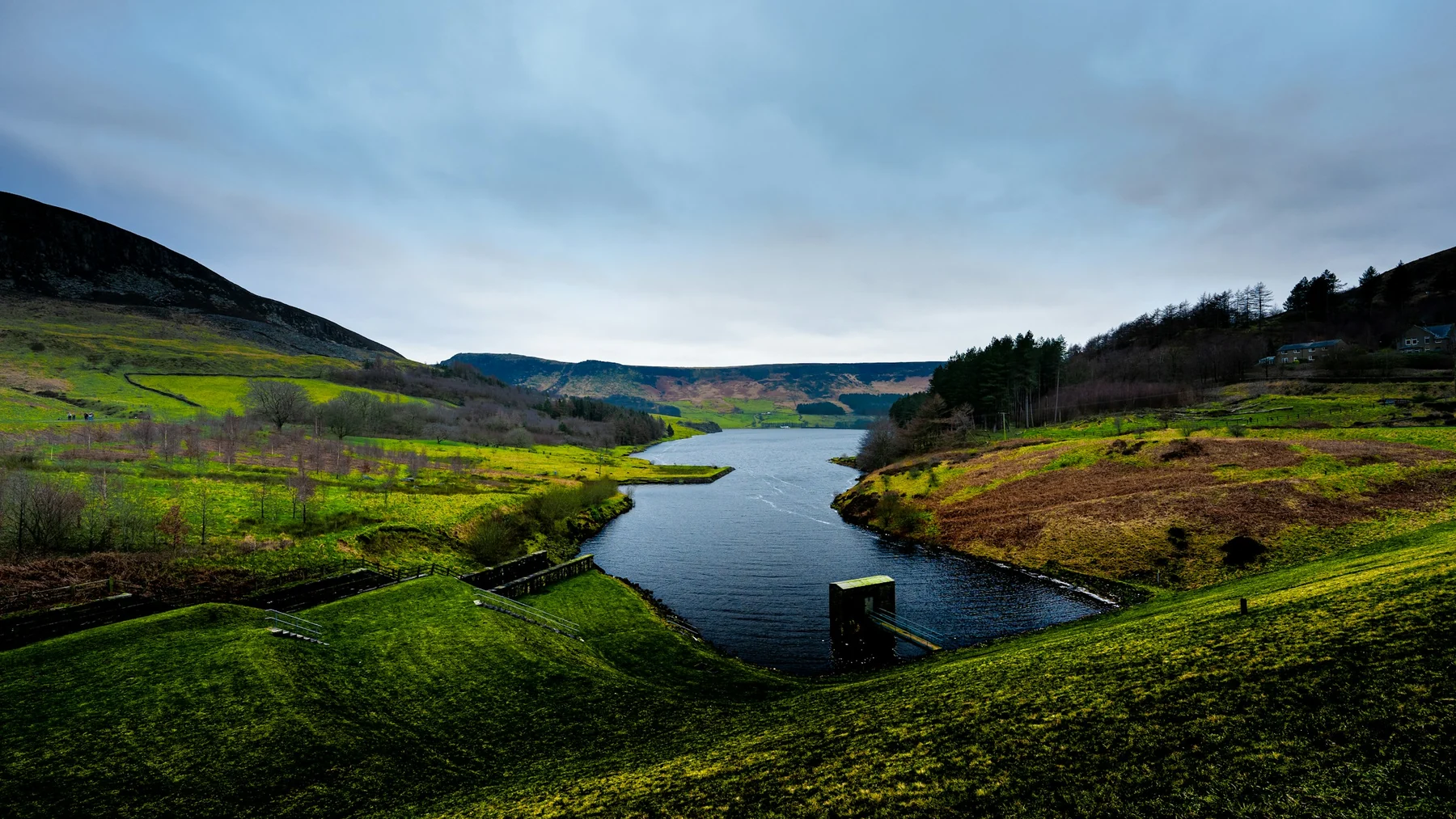 Representative landscape
Water stewardship
An illustrative application showing how SIV would approach reuse at a manufacturing facility, from feasibility and design to delivery and performance.
ILLUSTRATIVE APPLICATION STUDY
How a manufacturing facility could turn a wastewater stream into a resource for suitable industrial uses.
This study explains a potential project approach. It does not describe a completed SIV installation or claim measured client results.
THE NEED
A facility may have an ongoing need for process or utility water while also producing wastewater. The opportunity is to identify where treated water could serve an appropriate use and what changes would make that possible.
The starting point is a water balance: how much water enters the site, how it is used, what leaves each process and where reuse demand exists. Source quality and intended use determine the treatment needed.
THE PROJECT APPROACH
SIV would work with the facility and technical partners to assess available streams, compare treatment options and define the reuse application. Depending on the site, a source could be an onsite wastewater stream or reclaimed water supplied through a local utility.
The design would consider treatment, storage, distribution, site integration and the operating plan together. Water quality, equipment compatibility and applicable requirements would be established for the selected use before implementation.
SIV'S RESPONSIBILITY
The engagement would define SIV's responsibilities for project development, design coordination, cost planning and implementation oversight. Specialist partners and the facility's operating team would have clear roles in installation, commissioning and ongoing operation.
Where a project involves an external reclaimed-water source, coordination with the supplying utility or public agency would be part of the delivery plan.
COST DISCIPLINE
The business case would compare the current water supply and wastewater arrangements with the proposed reuse system. Capital cost, energy, consumables, maintenance, replacement needs and operating responsibilities belong in the same assessment.
The preferred option would be selected for the site's requirements and operating conditions. Savings would be established from that comparison, rather than assumed in advance.
PERFORMANCE
The monitoring plan would distinguish treated volume, reused volume and actual freshwater displacement. It would also define water-quality testing, system availability and operating-resource measures appropriate to the project.
A commissioning and handover plan would establish acceptance criteria, operator responsibilities and how the system should respond when water falls outside the agreed conditions.
WHAT THE ENGAGEMENT PRODUCES
A site-specific reuse opportunity, technical scope and performance requirements.
A budget, implementation approach and clear responsibilities across the project team.
Commissioning criteria, ongoing care and an agreed method for assessing performance.
Background reading: the US EPA's industrial water reuse resources explain reuse applications and source-water options. This application study contains no performance claim about a SIV client project.
RELATED PROJECT CASE STUDIES
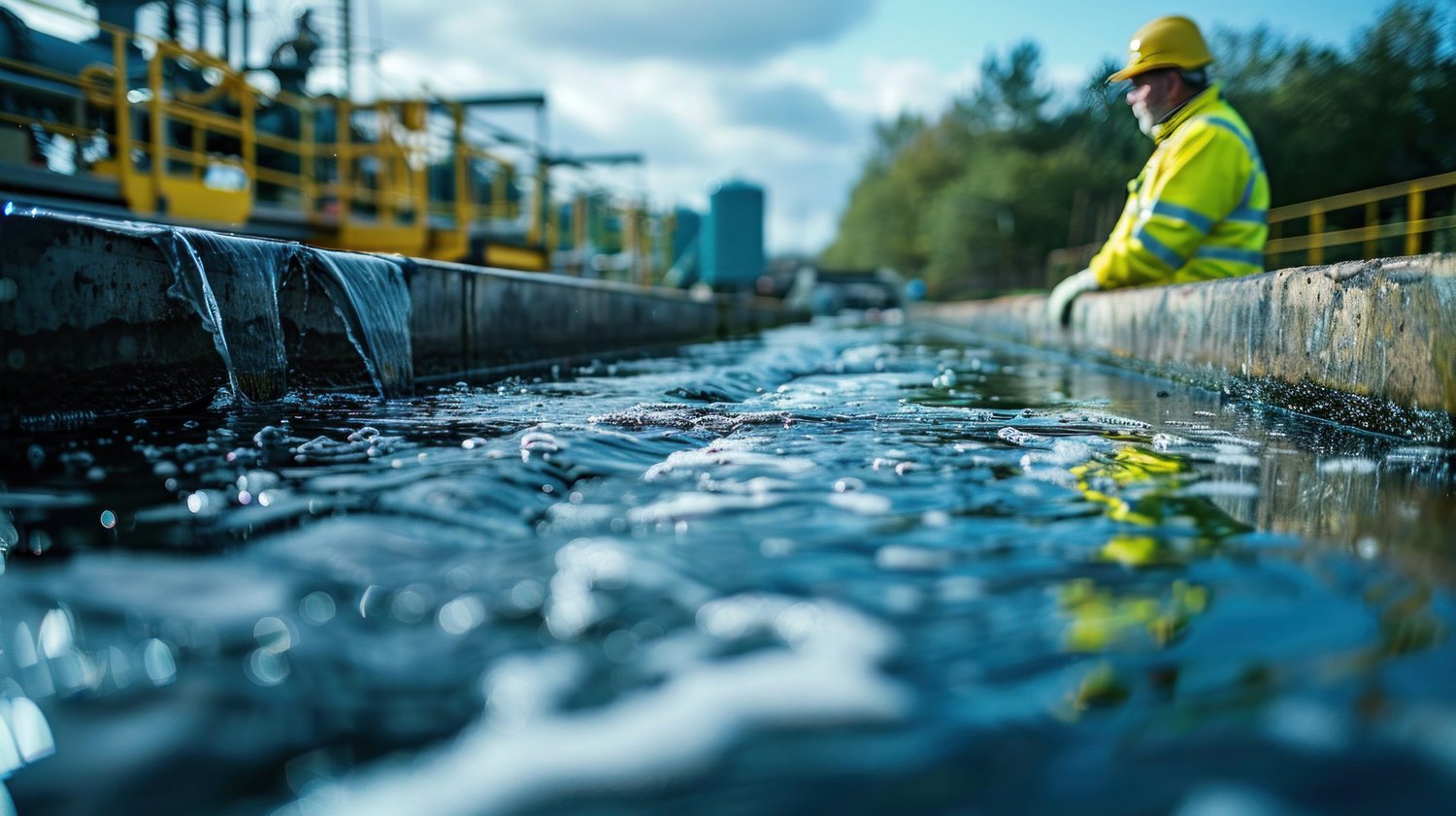
Water stewardship / Chennai, India
Developing a local non-drinking water resource through modular sewage treatment and reclamation.
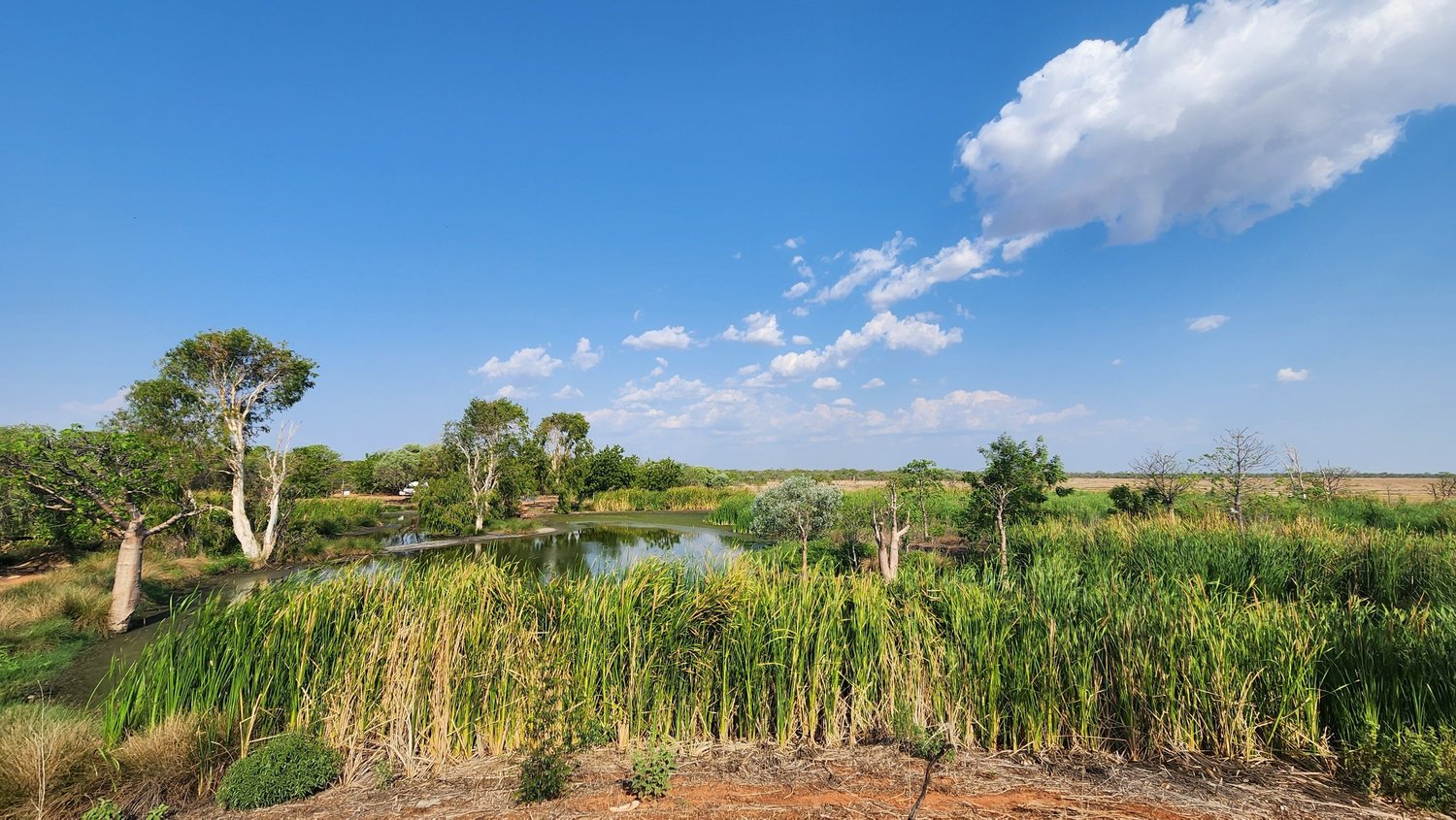
Water stewardship / Chennai, India
A program combining nature-based wastewater treatment, reuse and rainwater harvesting, with a planned reach of 15 government schools.
YOUR NEXT STEP
Share your facility location, water source, current demand and intended reuse. We will help define the opportunity and the first assessment.